What age is this video appropriate for?
We recommend this video for kids aged 8 and up. The engineering concepts are explained clearly enough for curious younger kids, but the length, complexity, and occasional technical jargon make it most rewarding for children 8 and older who have some interest in science or space.
Is there any bad language in this video?
There is one bleeped-out profanity spoken by a NASA engineer during a conversation with Mark Rober. The word is fully censored and not repeated, so it's a very minor concern, but parents of younger or sensitive children may want to be aware of it.
Is this video trying to sell something to my child?
Yes, there are two promotional segments for CrunchLabs, Mark Rober's monthly engineering toy subscription box aimed at kids. The ads are clearly identifiable and are woven into the narrative around themes of engineering resilience, so they don't feel deceptive, but parents should be prepared for their child to ask about the product.
Are the stunts in this video something kids might try to replicate?
The project involves custom-built rockets, weather balloons, and years of engineering expertise, making it essentially impossible for kids to replicate. The video actually emphasizes how difficult, expensive, and technically demanding the project was, which naturally discourages imitation rather than encouraging it.
What does my child actually learn from watching this?
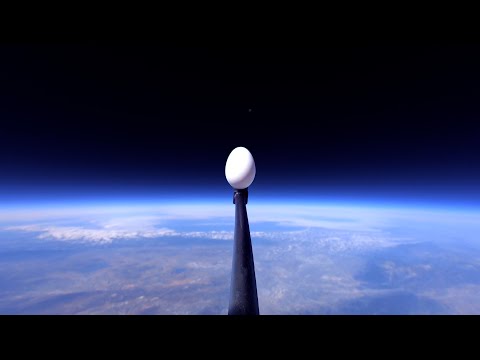
Kids learn about terminal velocity, atmospheric science, weather balloons, rocket guidance, and how NASA lands rovers on Mars. Perhaps more valuably, the video is an extended, honest lesson in engineering failure and resilience — the project fails four times before succeeding, and each failure is explained and learned from.
Is the science in this video accurate?
Yes, the science is accurate and well-explained. Mark Rober is a former NASA engineer who worked on the Curiosity Mars rover, and the video features real NASA engineers including Adam Steltzner and Al Chen. The physics concepts like terminal velocity and atmospheric pressure are explained correctly and accessibly.