What age is this video appropriate for?
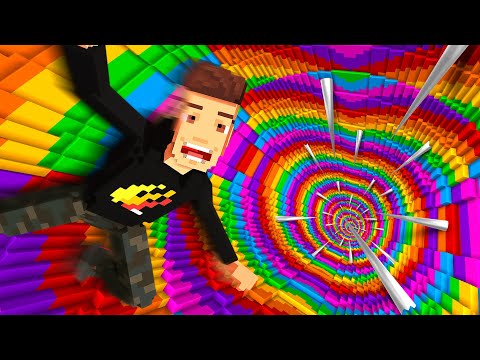
This video is recommended for ages 8 and up. The content is a fast-paced, fantasy obstacle course game with cartoonish peril (falling, lasers, tentacles) and no realistic violence. However, the streamer's frequent frustration, mild crude language (e.g., 'dangit,' 'son of a biscuit'), and manipulative engagement tactics (begging for likes, fire emojis) may be confusing or overstimulating for younger children.
Is there any violence or scary content in this video?
The video contains no realistic violence, threats, or weapons. All danger is fantasy-based (falling through a dropper, dodging lasers and tentacles) within a video game. The streamer's reactions are exaggerated for entertainment, not depicting real harm.
Does the video contain bad language?
Yes, the streamer uses mild crude language like 'dangit,' 'son of a biscuit,' and 'frick.' There is no strong profanity (e.g., f-bombs). The language is typical of many gaming streams but may be a concern for parents of younger children.
What is the educational value of this video?
The video is primarily a playthrough of a free, family-friendly obstacle course game on Dot Big Bang. It has no educational curriculum but does model problem-solving, persistence, and basic gaming skills (timing, gliding). The streamer also promotes his own merchandise and game, which is a form of hidden advertising.
Does the video have any manipulative or advertising content?
The streamer frequently begs for likes, subscribes, and 'fire emojis' to continue playing, and uses emotional manipulation (e.g., 'I need you to believe in me'). He also promotes his merchandise and game repeatedly. These tactics can encourage children to engage in manipulative online behavior or feel pressured to support the streamer.
Are there any mental health concerns in this video?
The streamer shows frustration, anger, and self-deprecating humor (e.g., 'I have the brain of a dead goldfish'). While not glorifying self-harm, his emotional outbursts and exaggerated reactions could model unhealthy coping mechanisms for children. Parents may want to discuss managing frustration in a healthy way.