
Watchly Safety Review
Carnival Scam Science (and how to WIN)

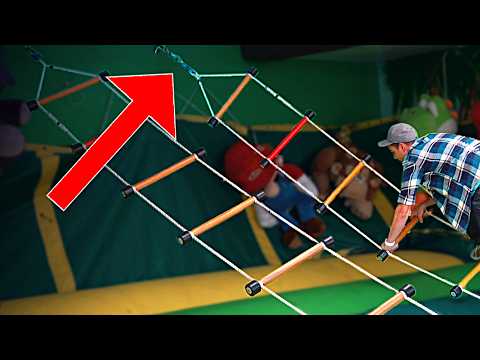
This is an excellent educational video that uses science and math to explain how carnival games work, including probability, physics, and game design. The host conducts a legitimate investigation with data collection and demonstrates concepts like center of mass, Newton's laws, and expected value in an engaging, family-friendly way.
What Parents Need to Know
This video is educational content about carnival game mechanics with no concerning material. It teaches critical thinking about probability and fairness while explaining scientific concepts. The host uses mild terms like 'scam' and 'ripoff' to describe unfair game practices, but does so in an informative context. There's a brief joke reference to someone losing life savings at carnival games, but it's clearly hyperbolic humor. The video actually discourages wasteful spending and promotes informed decision-making.
More from Mark Rober
See all →



What Watchly checks every video for
Every video is checked against Watchly's 21 content patterns. Here are a few of them.
Real-world violence, threats, and weapons — told apart from playful gameplay combat.
Learn more →Profanity, slurs, and censored variants — the bleeped versions still register with kids.
Learn more →Drugs, alcohol, vaping by brand, plus sports betting and online casino apps.
Learn more →Pack openings, gacha pulls, and case openings — variable rewards for real money.
Learn more →Tide Pod, blackout, and slap challenges — plus Devious-Lick-style vandalism trends.
Learn more →Undisclosed sponsorships, MLM pitches, "guru" courses, and fake giveaways.
Learn more →How Watchly keeps YouTube safe
The tools that turn these checks into a safe viewing experience for your child.
How Watchly reads each transcript and checks it against these exact safety patterns.
Learn more →Time limits, schedules, and per-child rules you set once and forget.
Learn more →Build a hand-picked library your child can browse without surprises.
Learn more →Full-screen playback with no ads, comments, or recommended rabbit holes.
Learn more →Netflix-style profiles, each locked behind a parent PIN.
Learn more →See exactly what your child watched, when, and for how long.
Learn more →