

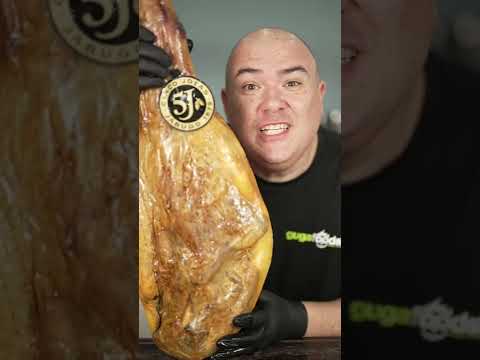
This video is safe for most kids but includes a brief mention of animal treatment that may concern sensitive viewers. It offers an educational look at a luxury food item and the art of carving, but the high price tag and casual reference to playing Mozart before slaughter could spark questions about animal welfare. Overall, it's a short, factual demonstration with no inappropriate content.
What Parents Need to Know
This video is a short demonstration of carving Jamón Ibérico, a premium ham. It does a good job teaching kids about a specific cultural food and the skill of carving. However, parents should be aware of two things: the video mentions the ham costs $1,500, which could lead to discussions about luxury and value, and it includes the line 'they play Mozart before they kill it,' which might upset children who are sensitive to animal treatment. There is no violence, language, or other concerning content.
More from Nick DiGiovanni
See all →



What Watchly checks every video for
Every video is checked against Watchly's 21 content patterns. Here are a few of them.
Real-world violence, threats, and weapons — told apart from playful gameplay combat.
Learn more →Profanity, slurs, and censored variants — the bleeped versions still register with kids.
Learn more →Drugs, alcohol, vaping by brand, plus sports betting and online casino apps.
Learn more →Pack openings, gacha pulls, and case openings — variable rewards for real money.
Learn more →Tide Pod, blackout, and slap challenges — plus Devious-Lick-style vandalism trends.
Learn more →Undisclosed sponsorships, MLM pitches, "guru" courses, and fake giveaways.
Learn more →How Watchly keeps YouTube safe
The tools that turn these checks into a safe viewing experience for your child.
How Watchly reads each transcript and checks it against these exact safety patterns.
Learn more →Time limits, schedules, and per-child rules you set once and forget.
Learn more →Build a hand-picked library your child can browse without surprises.
Learn more →Full-screen playback with no ads, comments, or recommended rabbit holes.
Learn more →Netflix-style profiles, each locked behind a parent PIN.
Learn more →See exactly what your child watched, when, and for how long.
Learn more →