
Watchly Safety Review
The Perfect Kabob

This episode is safe for all children, offering a brief, imaginative cooking demonstration with no concerning content. The video's strongest quality is its playful, positive tone that encourages creativity in the kitchen, though it is very short and may not engage older kids. Overall, it is a harmless, fun snippet for young viewers.
What Parents Need to Know
This video is a short, playful cooking demonstration where Jonah makes a 'perfect kabob' with ingredients like cilantro, parsley, fries, and a magic sauce. It is entirely safe and positive, with no concerning content. Children will enjoy the imaginative language ('lava kabob') and the simple, step-by-step process, which can inspire them to help in the kitchen or create their own pretend recipes. The video is very brief (under 30 seconds), so it may not hold the attention of older children but is ideal for toddlers and preschoolers.

More from Nick DiGiovanni
See all →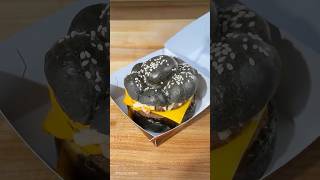



What Watchly checks every video for
Every video is checked against Watchly's 21 content patterns. Here are a few of them.
Real-world violence, threats, and weapons — told apart from playful gameplay combat.
Learn more →Profanity, slurs, and censored variants — the bleeped versions still register with kids.
Learn more →Drugs, alcohol, vaping by brand, plus sports betting and online casino apps.
Learn more →Pack openings, gacha pulls, and case openings — variable rewards for real money.
Learn more →Tide Pod, blackout, and slap challenges — plus Devious-Lick-style vandalism trends.
Learn more →Undisclosed sponsorships, MLM pitches, "guru" courses, and fake giveaways.
Learn more →How Watchly keeps YouTube safe
The tools that turn these checks into a safe viewing experience for your child.
How Watchly reads each transcript and checks it against these exact safety patterns.
Learn more →Time limits, schedules, and per-child rules you set once and forget.
Learn more →Build a hand-picked library your child can browse without surprises.
Learn more →Full-screen playback with no ads, comments, or recommended rabbit holes.
Learn more →Netflix-style profiles, each locked behind a parent PIN.
Learn more →See exactly what your child watched, when, and for how long.
Learn more →