Watchly Safety Review
What is Osmosis? Science for Kids! #shorts

Safe for Most KidsReviewed June 2026
Loading...
Watchly Safety Review
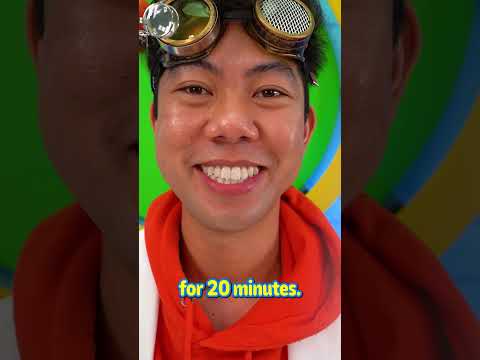
This short science video is essentially worry-free for children of all ages, using a simple potato-and-salt experiment to explain osmosis in a clear, engaging way. There are no content concerns whatsoever — it's a straightforward, well-executed educational clip that makes a tricky biology concept accessible and fun.
This is a clean, high-quality science short aimed at young learners. It teaches the concept of osmosis through a hands-on kitchen experiment comparing a potato in salt water versus plain water, introducing kids to scientific thinking tools like control groups. The presenter is enthusiastic and easy to follow, and the experiment is simple enough for children to try at home with parental supervision. There are no advertisements, no inappropriate content, and no manipulation — just solid science education delivered in a short, digestible format.
Every video is checked against Watchly's 21 content patterns. Here are a few of them.
Real-world violence, threats, and weapons — told apart from playful gameplay combat.
Learn more →Profanity, slurs, and censored variants — the bleeped versions still register with kids.
Learn more →Drugs, alcohol, vaping by brand, plus sports betting and online casino apps.
Learn more →Pack openings, gacha pulls, and case openings — variable rewards for real money.
Learn more →Tide Pod, blackout, and slap challenges — plus Devious-Lick-style vandalism trends.
Learn more →Undisclosed sponsorships, MLM pitches, "guru" courses, and fake giveaways.
Learn more →The tools that turn these checks into a safe viewing experience for your child.
How Watchly reads each transcript and checks it against these exact safety patterns.
Learn more →Time limits, schedules, and per-child rules you set once and forget.
Learn more →Build a hand-picked library your child can browse without surprises.
Learn more →Full-screen playback with no ads, comments, or recommended rabbit holes.
Learn more →Netflix-style profiles, each locked behind a parent PIN.
Learn more →See exactly what your child watched, when, and for how long.