Watchly Safety Review

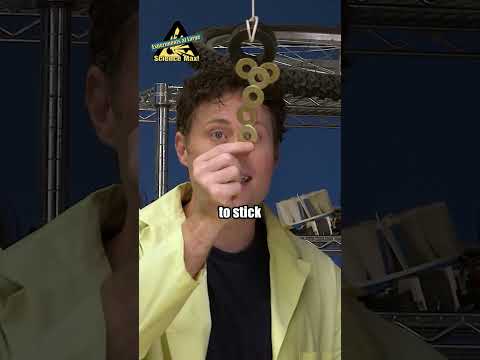
Let's Make a Chain of Magnets | Science Max

Science Max - 9 Story
0:46 · 33K views · May 27, 2023
All reviews →
Safe for Most KidsReviewed June 2026

This episode is completely safe for all children, offering a clear and engaging science lesson on how magnetic fields can be transferred through ferromagnetic materials. The host demonstrates a simple, hands-on experiment using common household items like paper clips and washers, which is both educational and inspiring for young learners. There are no concerns regarding safety, advertising, or inappropriate content, making it an excellent choice for curious kids.

What Parents Need to Know

This video is a fantastic resource for teaching kids about basic physics concepts like magnetism and magnetic fields in a fun, accessible way. The host uses everyday objects (paper clips, washers, screws) to show how a magnet can temporarily magnetize a chain of metal items, and the experiment is safe to replicate at home with adult supervision. Parents should note that the video encourages hands-on learning, which may lead to kids wanting to try the activity themselves, so it's a good opportunity to discuss safety with small objects and supervise to prevent choking hazards.
Talk to Your Kids About

  1. 1Why do you think the paper clips and washers stick to each other even when they're not touching the magnet?
  2. 2What other ferromagnetic materials can you find around the house that might work in this experiment?
  3. 3How does the magnetic field get weaker as you add more items to the chain?
  4. 4What would happen if you used a non-ferromagnetic object, like a plastic toy, in the chain?
Let's Make a Chain of Magnets | Science Max
Protected Viewing

What's This Video About?

How long can you make a chain of magnets? #ScienceMax #Science #ScienceExperiments #Shorts (🔔) Subscribe to Science Max for New Videos ▶▶ https://www.youtube.com/@ScienceMax?sub_confirmation=1 Have you ever done a science experiment and wondered “What would this be like if it were HUGE?” Welcome to Science Max, the exciting new series that turbocharges all the science experiments you’ve done at home.

Frequently Asked Questions

What age is this video appropriate for?

This video is appropriate for children aged 5 and up. The content is simple and educational, focusing on basic science concepts that are easy to understand, but younger children may need help with the small objects used in the experiment to avoid choking hazards.

Is the 'Chain of Magnets' experiment safe for kids to try at home?

Yes, the experiment is safe as long as it's done with adult supervision. The host uses common household items like paper clips and washers, which are not dangerous, but small parts can be a choking hazard for very young children. Parents should also ensure kids don't put magnets near electronics or medical devices.

Does this video contain any advertising or sponsored content?

No, this video is free from any advertising or sponsored content. It is a pure educational science demonstration from the 'Science Max' series, focused solely on teaching kids about magnetism without any commercial interruptions.

What will my child learn from watching this video?

Your child will learn how magnetic fields can be transferred through ferromagnetic materials, creating a chain of magnetized objects. They'll also understand the concept of magnetic strength and how it diminishes with distance, which is a great introduction to physics and hands-on science.

Are there any safety concerns with the materials shown in the video?

The materials shown (paper clips, washers, screws) are generally safe, but they are small and could be a choking hazard for children under 3. Additionally, magnets can be harmful if swallowed, so close supervision is recommended. The video itself does not promote any dangerous behavior.

How can I extend the learning from this video at home?

You can encourage your child to find other ferromagnetic objects around the house, like nails or keys, and test if they work in the chain. You can also discuss why some metals (like aluminum or copper) don't work, which introduces the concept of non-ferromagnetic materials.

More from Science Max - 9 Story

See all →
Wild Machines! | Full Episodes | Science Max | NEW COMPILATION1:02:21
Wild Machines! | Full Episodes | Science Max | NEW COMPILATION
882 views·Jun 19, 2026
Safe
Egg Drop Strategy | Science Max #shorts0:55
Egg Drop Strategy | Science Max #shorts
3K views·Jun 15, 2026
Safe
Experiments with FOOD! | Science Max22:26
Experiments with FOOD! | Science Max
4K views·Jun 12, 2026
Safe
Amazing inventions you should see! | Advanced Materials | Science Max #shorts1:01
Amazing inventions you should see! | Advanced Materials | Science Max #shorts
5K views·Jun 8, 2026
Safe

What Watchly checks every video for

Every video is checked against Watchly's 21 content patterns. Here are a few of them.

© 2026 Watchly. All rights reserved.
Not affiliated with YouTube or Google. All creator content remains property of original creators.