Watchly Safety Review
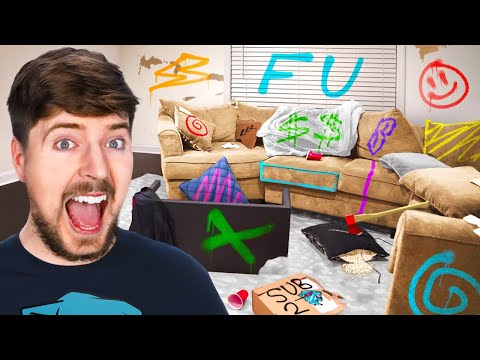
Destroyed Friend's House And Bought Him A New One

Major ConcernsReviewed June 2026
Loading...
Watchly Safety Review
This video is safe for most kids but promotes excessive materialism and destructive behavior as entertainment. The positive twist of replacing destroyed items with better ones and the genuine joy of the toddler receiving toys are overshadowed by the glorification of wrecking a home for views. Parents should note the heavy sponsorship integration and the normalization of extreme pranks.
The video features a group of young men destroying a friend's house as a prank, then replacing everything with nicer items. While the family is in on the joke and the toddler is delighted with new toys, the content heavily emphasizes wealth (multiple credit cards, expensive replacements) and destructive behavior as fun. There is a clear sponsored segment for Honey, and the video ends with a call to destroy the house again for more content. Kids may imitate the destructive acts or develop unrealistic expectations about money and pranks.
Every video is checked against Watchly's 21 content patterns. Here are a few of them.
Real-world violence, threats, and weapons — told apart from playful gameplay combat.
Learn more →Profanity, slurs, and censored variants — the bleeped versions still register with kids.
Learn more →Drugs, alcohol, vaping by brand, plus sports betting and online casino apps.
Learn more →Pack openings, gacha pulls, and case openings — variable rewards for real money.
Learn more →Tide Pod, blackout, and slap challenges — plus Devious-Lick-style vandalism trends.
Learn more →The tools that turn these checks into a safe viewing experience for your child.
How Watchly reads each transcript and checks it against these exact safety patterns.
Learn more →Time limits, schedules, and per-child rules you set once and forget.
Learn more →Build a hand-picked library your child can browse without surprises.
Learn more →Full-screen playback with no ads, comments, or recommended rabbit holes.
Learn more →Netflix-style profiles, each locked behind a parent PIN.
Learn more →See exactly what your child watched, when, and for how long.
Learn more →